
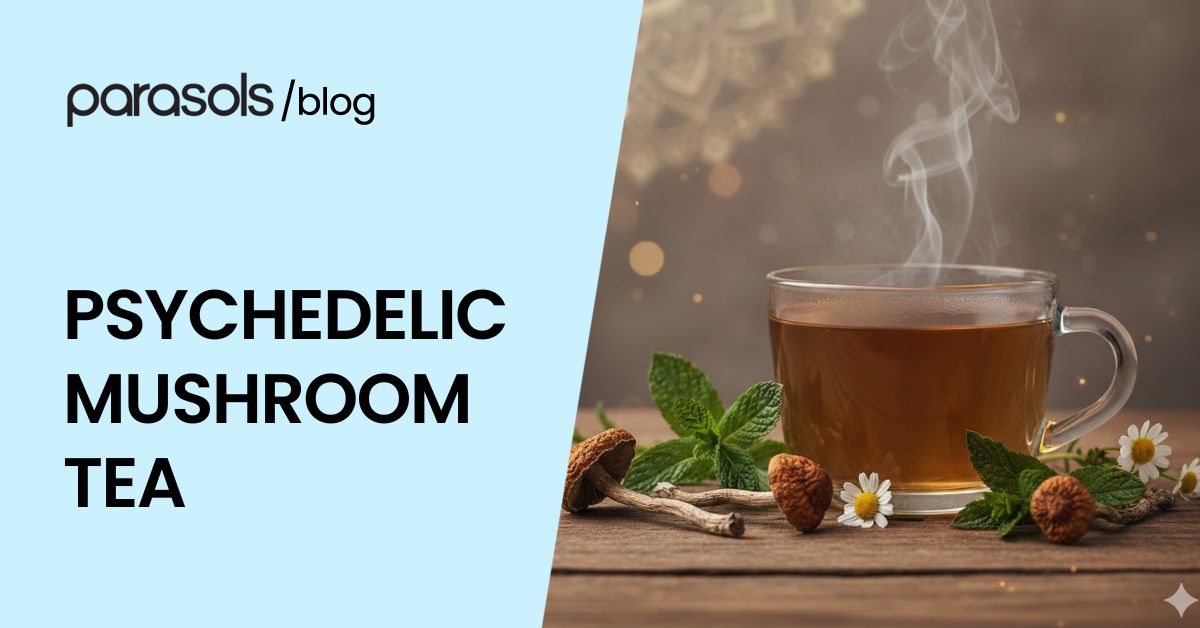
In recent years, natural remedies have gained attention for promoting wellness, mindfulness, and emotional balance. One such remedy making waves is psychedelic mushroom tea, also known as shroom tea. The term 'shrooms' is an everyday slang for psilocybin mushrooms, reflecting their cultural and recreational significance in both traditional spiritual rituals and modern microdosing trends. This drink, made from psilocybin-containing mushrooms, has become popular for its reported ability to enhance self-learning, introspection, and spiritual experience. But what exactly is shroom tea? How does it affect the mind and body, and is it truly safe?
Key Takeaways
- Psychedelic mushroom tea (shroom tea) is made by steeping psilocybin-containing mushrooms in hot water to extract psychoactive compounds.
- Effects tend to start faster than eating mushrooms—often within 5–10 minutes—and can last up to six hours.
- Psilocybin converts to psilocin in the body, influencing serotonin receptors and altering perception, mood, and thought patterns.
- Experiences vary widely depending on dosage, mindset, environment, and individual sensitivity.
- Potential benefits include introspection, emotional insight, and spiritual experience, but these are not guaranteed.
- Risks include anxiety, paranoia, nausea, and psychological distress, especially for those with underlying mental health conditions.
What Is Psychedelic Mushroom Tea?

Shroom tea is a beverage brewed from magic mushrooms, typically containing psilocybin and psilocin. Psilocybin mushroom tea is made by steeping dried psilocybin mushrooms in hot water to extract the psychoactive compounds. Many people add lemon, ginger, or honey to reduce the earthy taste and prevent nausea.
Psilocybin mushrooms can be consumed in various ways, such as being eaten raw, cooked into food, or brewed into tea.
The main appeal of shroom tea is that it can offer a gentler introduction to psychedelic experiences. When the tea is ingested, the psychedelic effects can begin within 5–10 minutes and may last up to 6 hours. In comparison, when mushrooms are consumed, the effects typically begin within 30 minutes and last approximately four to six hours. Cooking with psilocybin mushrooms can enhance their psychoactive effects and speed up their onset. A single cup can lead to profound changes in perception, thought, and emotion.
How Psilocybin and Psilocin Affect the Mind
Psilocybin, the primary active compound in magic mushrooms, is converted into psilocin in the body. Psilocybin and psilocin belong to a class of substances known as psychedelic drugs. Psilocin interacts with serotonin receptors in the brain, triggering changes in mood, cognition, and perception. Common experiences include:
- Visual distortions such as shifting patterns or glowing colors
- Visual and auditory hallucinations
- Auditory hallucinations, such as enhanced sound clarity or altered auditory perceptions
- Altered thinking and philosophical reflections
- Heightened emotional states, from intense joy and euphoria to fear
- A distorted sense of time and self, sometimes described as “ego death.”
The psychoactive effects and hallucinogenic effects of psilocybin mushrooms can include visual and auditory hallucinations, emotional changes, euphoria, and altered perception of time and space.
While some users report feelings of connectedness, clarity, and insight, others may experience confusion, paranoia, or overwhelming fear. The direction of a psychedelic journey is highly influenced by individual mindset, environment, and dosage.
Brewing Shroom Tea Safely
Making shroom tea involves a few simple steps, but caution is key:
- Grind dried psilocybin mushrooms into smaller pieces.
- Boil water and steep the mushrooms for 10–15 minutes.
- Strain out solids and add lemon, ginger, or honey as desired. Psilocybin mushrooms can be consumed in various ways, including teas, culinary dishes, or microdosing, and are sometimes used with other substances to alter the experience.
Despite its simplicity, safety is a significant concern. Never consume wild mushrooms unless correctly identified, as some poisonous mushrooms can be highly toxic and may make you very sick or even be life-threatening if mistaken for edible or psychoactive species. Improper identification or preparation can be dangerous. Different species, such as Psilocybe cubensis, exhibit unique characteristics influenced by their growing conditions, making accurate identification essential. Even cultivated mushrooms carry risks, particularly psychological distress or triggering underlying mental health conditions. Physical effects such as nausea, vomiting, muscle weakness, or drowsiness are possible side effects. Note that spores are legal in some places for research purposes but illegal to cultivate in others. The legal status of psilocybin mushrooms and spores varies by jurisdiction; in many areas, they are illegal, while some regions have decriminalized or made them legal for specific uses.
Traditional and Cultural Significance
Psilocybin mushrooms, often referred to as magic mushrooms, have played a significant role in the spiritual and healing traditions of various cultures, particularly in South America and Mexico. For centuries, indigenous peoples have turned to psilocybin containing mushrooms, such as liberty caps, as sacred tools for connecting with the spiritual world and promoting deep healing. These mushrooms have been used in ceremonial rituals designed to foster self-learning, personal transformation, and a profound sense of unity with nature and the cosmos.
Preparing for the Experience

Before consuming magic mushrooms, thoughtful preparation is crucial to ensuring a safe and meaningful experience. The psychoactive properties of psilocybin can lead to intense experiences, so it’s essential to create an environment that feels secure, comfortable, and free from distractions or negative influences. Consider setting aside a dedicated space where you feel at ease, and remove any potential stressors from your surroundings.
Your mental and emotional state can significantly affect the outcome of your experience. If you’re feeling anxious, stressed, or dealing with unresolved issues, the effects of psilocybin may amplify these feelings, increasing the risk of panic attacks or other adverse effects. It’s wise to start with a low dose, especially if you’re new to psilocybin use, and to have a trusted friend or guide present who can offer reassurance and support if needed.
Potential Benefits and Risks
Shroom tea has drawn attention for its potential to:
- Enhance mood and promote introspection
- Reduce symptoms of depression or anxiety (under controlled conditions)
- Facilitate spiritual experiences or self-learning
- Foster a sense of connection to nature or the universe
- Microdosing psilocybin mushrooms, which involves taking small amounts for subtle effects without intense experiences, has been reported to alleviate symptoms of depression and anxiety for some users.
- Dried psilocybin mushrooms can be ground into a powder and used in various recipes or consumed in capsules.
- Psilocybin has been granted Breakthrough Therapy Designation by the FDA for studies in treating depressive disorders, and the use of psilocybin mushrooms in therapeutic settings is becoming more accepted and researched in various jurisdictions.
However, there are significant risks to consider:
- Psychological distress or bad trips, including fear and paranoia
- Unpredictable reactions based on set, setting, and personal sensitivity (for example, high stress or anxiety before using magic mushrooms can increase the likelihood of a negative experience, while a calm, familiar environment can help create a pleasant experience)
- Possible interactions with psychiatric medications or pre-existing mental health conditions
- Rare but lasting perceptual changes or hallucinogen persisting perception disorder (HPPD)
Science and Therapeutic Potential
Emerging research in clinical settings suggests psilocybin, a compound found in these fungi, may help treat conditions like:
- Major depressive disorder
- PTSD
- End-of-life anxiety
- Substance use disorders
In these studies, psilocybin mushrooms are consumed in various forms, including as tea, capsules, or even incorporated into food, with a strong emphasis on precise concentration and dosing to ensure safety and consistent effects. These studies are conducted under strict supervision with careful dosing, a controlled environment, and medical screening—conditions that home brewing cannot replicate. Recreational or unsupervised use carries risks that science has not fully addressed.
Integration and Aftercare

The period after a psilocybin experience is just as important as the journey itself. Integration and aftercare help you process the insights, emotions, and altered perceptions that may have surfaced while under the influence of magic mushrooms. Taking time to reflect on your experience—through journaling, meditation, or conversations with trusted friends or family—can help you make sense of any profound sense of connection, shifts in mood, or new perspectives you encountered.
It’s normal to experience a range of symptoms after using mushrooms, such as mood swings, fatigue, or even mild withdrawal effects as your body and mind adjust. If you find yourself struggling with challenging emotions or thoughts, don’t hesitate to seek support from a therapist or counselor. Staying connected with your support network can make a significant difference in your ability to integrate the experience into your daily life.
Safe Use and Alternatives
Some argue shroom tea can be “safe” when combined with the right mindset, setting, dose, and support system. However, this is highly individual, and even precautions do not eliminate the risks. Unlike alcohol, which is legal in many places but carries its own dangers of addiction and withdrawal, psilocybin mushrooms have different legal statuses and cultural perceptions, and their use can result in unpredictable psychedelic effects.
Not all mushroom teas are psychedelic. Medicinal mushrooms, such as cordyceps, lion’s mane, and reishi, can offer cognitive, immune, or anti-inflammatory benefits without altering consciousness. Psilocybin mushrooms can be eaten, brewed into tea, or used in various traditional and modern ways. For those curious about wellness, these non-psychedelic teas provide a safer alternative without the unpredictability of psilocybin.
Conclusion
Psychedelic mushroom tea may seem like a natural and enlightening beverage, but it carries potent effects and real risks. While some individuals report spiritual insights and emotional breakthroughs, others may experience confusion, fear, or long-lasting psychological changes. Understanding these risks and approaching shroom tea with caution is essential.
If you are studying mental health or wellness options, informed guidance and professional support are invaluable. Learning how substances affect the mind, body, and long-term well-being can help you make choices that support lasting health and personal growth.
For resources, information, and professional guidance on wellness and mindful living, visit indacloud.co.

Leave a comment
All comments are moderated before being published.
This site is protected by hCaptcha and the hCaptcha Privacy Policy and Terms of Service apply.