
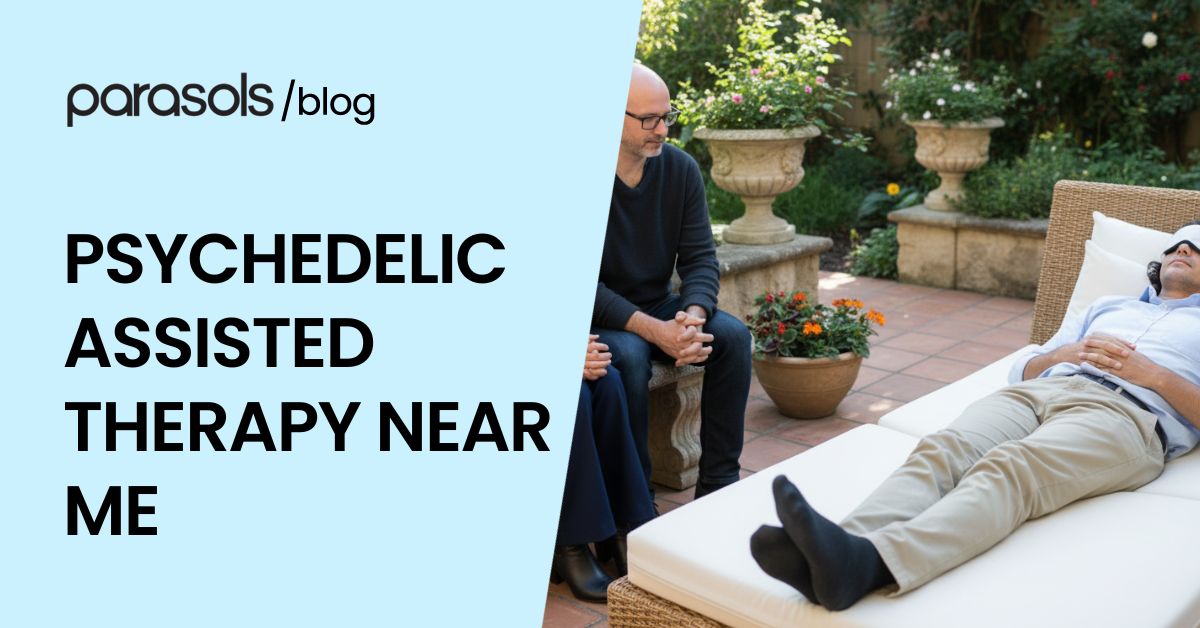
Finding the right psychedelic assisted therapy near me can feel overwhelming. It’s important to know what qualities make a therapy stand out—so the experience truly supports healing and growth.
Key Takeaways
- Choose psychedelic therapy with experienced, licensed therapists trained in both mental health and psychedelics.
- Look for programs grounded in scientific research and personalized to individual needs.
- A safe, controlled environment is essential for effective sessions.
- Integration support after therapy helps apply insights and improve outcomes.
- Access to programs linked with ongoing research can offer advanced treatment options.
- Avoid unsupervised use and be prepared to get the most from therapy.
What is Psychedelic Assisted Therapy?
Psychedelic Assisted therapy combines guided therapeutic sessions with the use of psychedelic compounds to help patients address mental health conditions, promote healing, and improve mental health outcomes.
What to Look for in Psychedelic Assisted Therapy Near Me

When looking for psychedelic assisted therapy near me, it’s important to choose a program that offers more than just access to psychedelic drugs. The right therapy combines expertise, safety, and personalized care to support lasting healing. Here are the key qualities to consider:
Experienced and Licensed Therapists
Therapists leading psychedelic assisted psychotherapy should have specialized training in both mental health treatments and the unique aspects of working with psychedelic compounds like psilocybin or ketamine. Their experience ensures patients receive professional guidance through challenging and transformative sessions, which is vital for improving mental health outcomes.
Evidence-Based Approaches
Opt for therapy programs backed by scientific research and clinical trials. Psychedelic assisted therapy has shown promising results in treating disorders such as treatment resistant depression, anxiety, and post traumatic stress disorder. Programs that follow protocols validated by mental health research and health sciences help maximize the therapeutic effects and safety of the treatment.
Personalized Treatment Plans
Mental illnesses and treatment responses vary widely from person to person. The best psychedelic assisted therapy near me adapts to individual mental health conditions and personal histories. This personalized approach increases the chances of sustained relief by addressing each patient’s unique needs.
Safe and Controlled Environment
Psychedelic therapy involves altered states of consciousness that require a secure and supportive setting. Clinics and centers offering these treatments must prioritize safety, privacy, and comfort, ensuring patients feel protected throughout their sessions. This is especially important when working with powerful psychedelic drugs or hallucinogenic mushrooms.
Integration Support
Healing doesn’t end when the session does. Integration support helps patients make sense of their experiences and apply insights to everyday life. Therapists who provide structured integration sessions can improve mental health outcomes and promote long-term well-being.
Connection to Ongoing Research and Innovation
The field of psychedelic medicine is rapidly evolving, with new centers and research institutions—some affiliated with Harvard University and the Dana Farber Cancer Institute—leading groundbreaking studies. Programs linked to these research centers often provide access to the latest therapeutic psychedelics and clinical trials, giving patients a chance to benefit from cutting-edge treatments.
Comprehensive Care for Mental Health Conditions
Effective psychedelic assisted therapy addresses a wide range of mental health issues, including mood disorders, substance use disorders, traumatic stress disorders, and depressive symptoms. Choosing a therapy that takes a holistic approach ensures better support for patients suffering from complex or multiple disorders.
Best Products for Psychedelic Assisted Therapy
Here are some of the most recognized options connected to psychedelic assisted therapy and related mental health treatments that people learn when seeking support:
- Mindbloom Bloombox: A guided ketamine assisted therapy program that ships dissolvable ketamine tablets or injectables for at‑home use with clinician support, plus tools like a sleep mask and journal to support the session environment.
- Licensed Provider Networks: Directories and networks of licensed clinicians trained in psychedelic medicine and integration support help patients connect with professionals who tailor psychedelic assisted psychotherapy plans near them.
- Virtual Ketamine Programs: Telehealth ketamine assisted therapy services that include virtual clinical appointments, preparatory sessions, and integration coaching to help patients prepare for and process their treatment effectively.
- Psychedelic Training Resources: Educational bundles and training courses for therapists on psilocybin, MDMA, and ketamine provide evidence‑based insight into the science, safety, and protocols of therapeutic psychedelics.
- Clinical Trial Participation: Joining clinical trials for psilocybin or MDMA assisted therapy gives patients access to cutting‑edge research settings where trained teams examine the therapeutic potential of these compounds for conditions like depression and PTSD.
What to Avoid During Psychedelic-Assisted Therapy
During psychedelic-assisted therapy, certain behaviors and situations can hinder healing or compromise safety. It’s important to be mindful of what to avoid for the best mental health outcomes.
- Unsupervised Use: Avoid taking psychedelic drugs without professional guidance to reduce risks and ensure proper support during the experience.
- Ignoring Medical History: Failing to disclose mental health conditions or medications can lead to unsafe treatment and adverse reactions.
- Skipping Integration: Neglecting post-session therapy limits the ability to process insights and apply therapeutic effects to daily life.
- Using Substances: Avoid alcohol or recreational drugs before and after therapy, as they can interfere with brain function and treatment response.
- High-Stress Environments: Participating in therapy during stressful or unstable periods may reduce the therapeutic potential and increase anxiety.
- Lack of Preparation: Entering sessions without mental or emotional readiness can lead to difficult experiences and reduced benefits.
Final Thoughts

Choosing the right psychedelic assisted therapy near me can make all the difference in the journey toward healing and improved mental health. By focusing on experienced therapists, evidence-based methods, personalized care, and a safe environment, patients can find treatment that truly supports lasting well-being.
For those interested in learning these options, study guided ketamine assisted therapy programs that provide expert support and proven protocols designed to help patients achieve meaningful progress. Taking that step can open the door to promising treatments and renewed hope. Parasols offer high quality mushroom gummies like our watermelon non detect shroom gummies.
Frequently Asked Questions
How long does a typical psychedelic assisted therapy session last?
Sessions usually range from several hours to a full day, depending on the substance used and the therapy protocol.
Are psychedelic assisted therapies legal?
Legality varies by location and substance; some therapies like ketamine assisted therapy are legal and FDA-approved, while others may only be available through clinical trials or specialized centers.
Can anyone qualify for psychedelic assisted therapy?
Not everyone qualifies—patients undergo screening to ensure they don’t have conditions that could increase risks, such as certain psychiatric disorders or contraindicated medications.
How soon can patients expect to see results?
Some patients experience improvements after a single dose, while others may need multiple sessions and integration for sustained relief.
What role does integration play after therapy sessions?
Integration helps patients process their experiences and apply insights to everyday life, enhancing the overall effectiveness of treatment.
Are there risks or side effects associated with psychedelic assisted therapy?
Possible side effects include anxiety during sessions, nausea, or temporary emotional discomfort, but these are managed with professional support.
How is psychedelic assisted therapy different from traditional therapy?
It combines the use of psychedelic compounds with psychotherapy, which can accelerate emotional breakthroughs compared to talk therapy alone.
Can psychedelic assisted therapy help with substance use disorders?
Yes, some studies and clinical trials show promising results in using psychedelics to support recovery from substance use disorders.

Leave a comment
All comments are moderated before being published.
This site is protected by hCaptcha and the hCaptcha Privacy Policy and Terms of Service apply.